
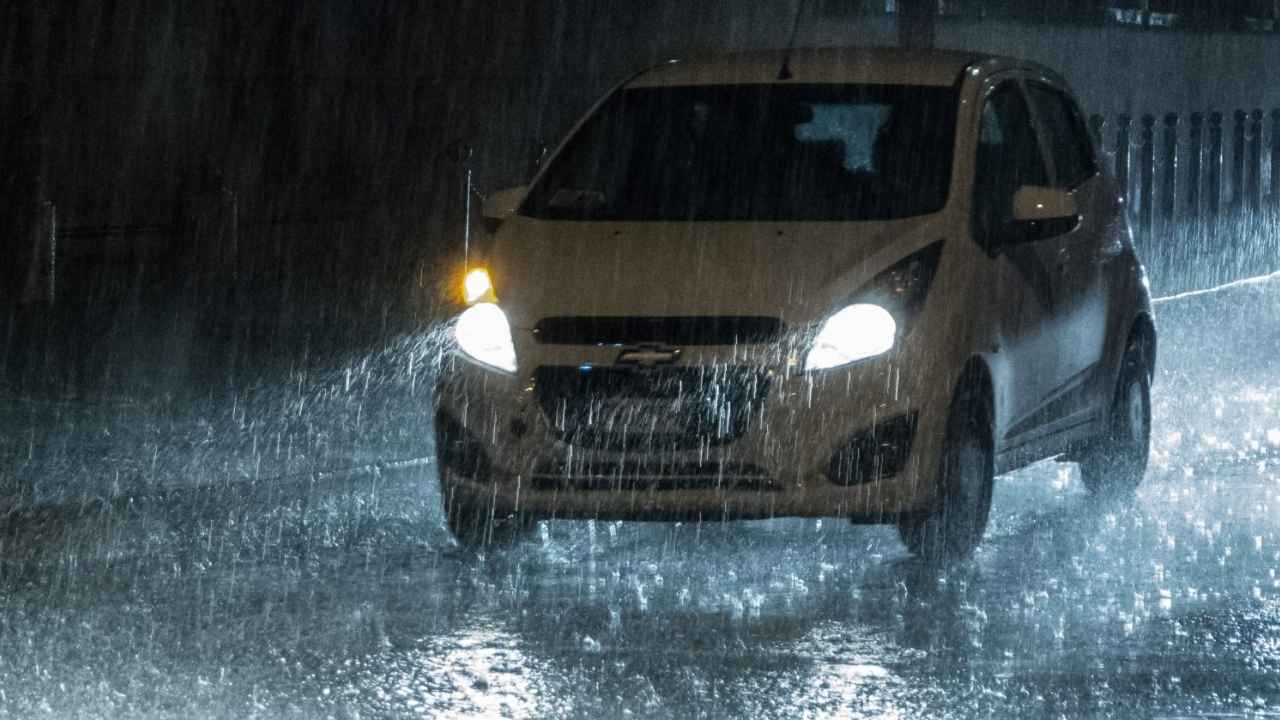
Most car owners do not ignore maintenance on purpose. They simply assume everything is fine until the first spell of heavy rain exposes problems they never saw coming. But a small oversight can quickly become an expensive repair or a dangerous situation on the road.
With the 2026 monsoon season setting in across India, many experts recommend paying attention to six commonly overlooked rain-ready checks. Wiper blades, tyres, brakes, lights, the battery, and drainage points are often skipped during routine servicing. But they play a vital role in keeping every journey safe, reliable, and stress free during the rainy months.
Wiper Blades
Wiper blades often forgotten until a heavy downpour makes the windshield almost impossible to see through. Since standard rubber blades usually last 6 to 12 months, they can crack, harden, or leave streaks over time. If your wipers skip, squeak, or smear water instead of clearing it, then the time has come for a replacement.
Good visibility is one of the biggest safety advantages during the monsoon. Replacing worn-out blades is one of the simplest and most affordable maintenance jobs, yet many owners continue using damaged wipers until they fail when needed the most.
Tyre Tread & Air Pressure
Your tyres do all the hard work of keeping the car connected to the road. During the rainy season, adequate tread depth helps push water away from the tyre surface, reducing the risk of hydroplaning. While 1.6 mm (2/32 inch) is the legal minimum in many countries, experts recommend replacing tyres when tread falls below 3 to 4 mm for better wet-road grip.
Studies have shown that braking distance increases sharply as tyre tread wears down. Before travelling in the rain, inspect the tread, look for uneven wear, and maintain the tyre pressure recommended by the manufacturer. Even a well maintain tyre can lose grip if the air pressure is incorrect.
Brakes
Rainwater naturally increases stopping distance which results in a healthy braking system even more important. Worn brake pads, damaged rotors, old brake fluid, or sticking brake calipers also reduce braking performance when every second matters.
So, if you notice squealing noises, vibrations, grinding sounds, or soft brake pedal then do not ignore them. Getting the brakes check before the monsoon can prevent costly repairs and provide greater confidence while driving on slippery roads.
Headlights & Taillights
Heavy rain, fog, and dark skies make it harder for both you and other drivers to see clearly. That is why every exterior light may check before the rainy season begins which include headlights, taillights, brake lamps, indicators, and fog lamps if your car has them.
Also inspect the light housings for cracks, moisture, or cloudy lenses as these can reduce brightness without being immediately noticeable. A simple bulb replacement will simply improve visibility and road safety during bad weather.
Battery & Electrical System
Monsoon humidity may expose weak batteries and ageing electrical components. Most car batteries have an average life of 3 to 5 years and if your car is also approaching that age then a battery health test is worth considering before the rains become frequent.
Check the battery terminals for corrosion or loose connections and inspect wiring for damaged insulation. Moisture entering electrical connections may lead to starting problems, warning lights, or even complete electrical failure at an inconvenient time.
Drainage Points & Rust Inspection
Rainwater also cause damage long after the weather clears if it gets trapped inside the vehicle. Clogged sunroof drains, door drains, or blocked water channels may allow water to collect inside the cabin, leading to damp carpets, unpleasant odours, mould growth, and hidden corrosion.
Another important to inspect the body for paint chips, scratches, and rust spots before the monsoon begins. Treating exposed metal early helps prevent corrosion from spreading, protecting both the appearance and long-term structural condition of the vehicle.
The biggest danger during the monsoon is not always heavy rain or flooded roads. Most monsoon related car troubles do not begin with heavy rain but with maintenance that was overlooked long before the clouds arrived. By completing these six essential checks is simple step that can improve safety, reduce unexpected breakdowns, and protect your car from unnecessary wear throughout the rainy season.