

India’s biggest brands are set to launch exciting turbo-petrol models that offers stronger performance, smarter technology, & better driving experiences. Check out your perfect turbo-petrol car.
The era of diesel dominance is fading fast and turbo-petrol power is taking over with full force. India’s turbo-petrol revolution is shifting into top gear with punchier, cleaner and more refined petrol engine. From the all-new Nissan Tekton and Renault Boreal to the updated Skoda Kylaq, Maruti Brezza, Volkswagen Tayron, Skoda Kodiaq RS, and Mahindra Scorpio-N Facelift. These seven upcoming turbo petrol launches promise stronger performance, smoother automatic gearboxes, fresh styling, and feature-packed cabins across multiple segments.
Nissan Tekton
Well, Nissan is gearing up for a big comeback in India’s mid-size SUV segment with the all-new Tekton, which will make its global debut in Mumbai on 9 July 2026. Built on the CMF-B (RGMP) platform shared with the New Renault Duster, the five-seater SUV will rival the Hyundai Creta and Kia Seltos, while a three-row version is also planned for a later launch.
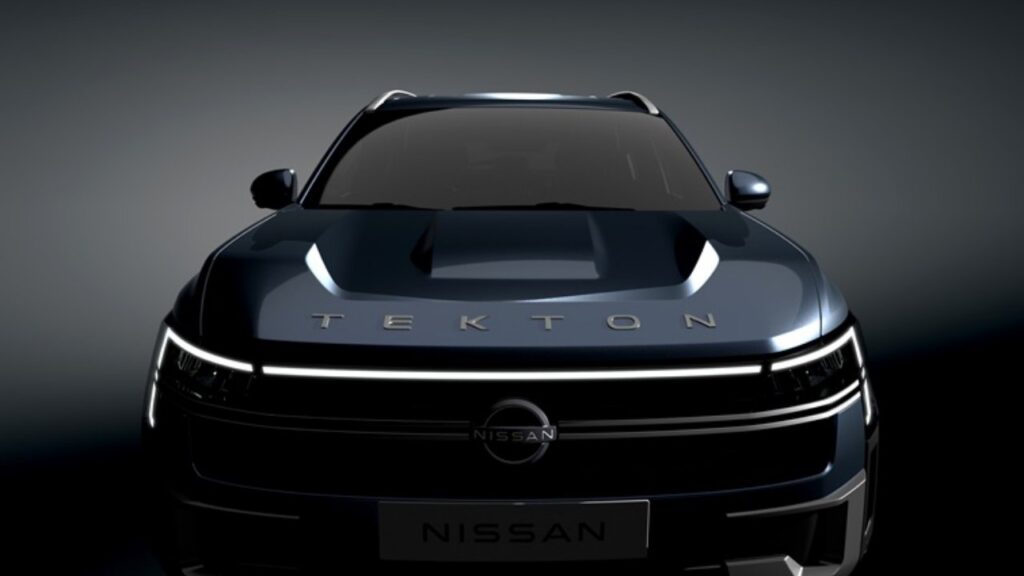
This model is inspired by the flagship Nissan Patrol, the Tekton features a bold front grille, C-shaped LED lighting signatures, full-width LED light bars at the front and rear, stylish alloy wheels and a sporty roof spoiler. Powertrain options are expected to include a 1.0-litre three-cylinder turbo-petrol engine producing around 100 bhp and a 1.3-litre four-cylinder turbo-petrol developing about 163 bhp.
Both engines likely to be offer with a 6-speed manual while the 1.3-litre unit will also get a 6-speed dual-clutch automatic (DCT). Expected highlights include a 10.1-inch touchscreen infotainment system, panoramic sunroof, 360-degree camera, Level 2 ADAS, connected car technology and a premium cabin. The Nissan Tekton expected to be priced between ₹11 lakh to ₹18 lakh (ex-showroom) with deliveries likely to begin later in 2026.
Maruti Suzuki Brezza Facelift
Maruti Suzuki is ready to rewrite the Brezza story with its most significant update since the second-generation model arrived. Scheduled to debut on 23 July 2026 with expected price between ₹8.5 to ₹14 lakh (ex-showroom). The refreshed SUV expected to ditch its naturally aspirated-only focus by introducing a new 1.0-litre Boosterjet turbo-petrol engine delivering around 100 PS and 148 Nm, paired with 6-speed manual and automatic gearbox options.
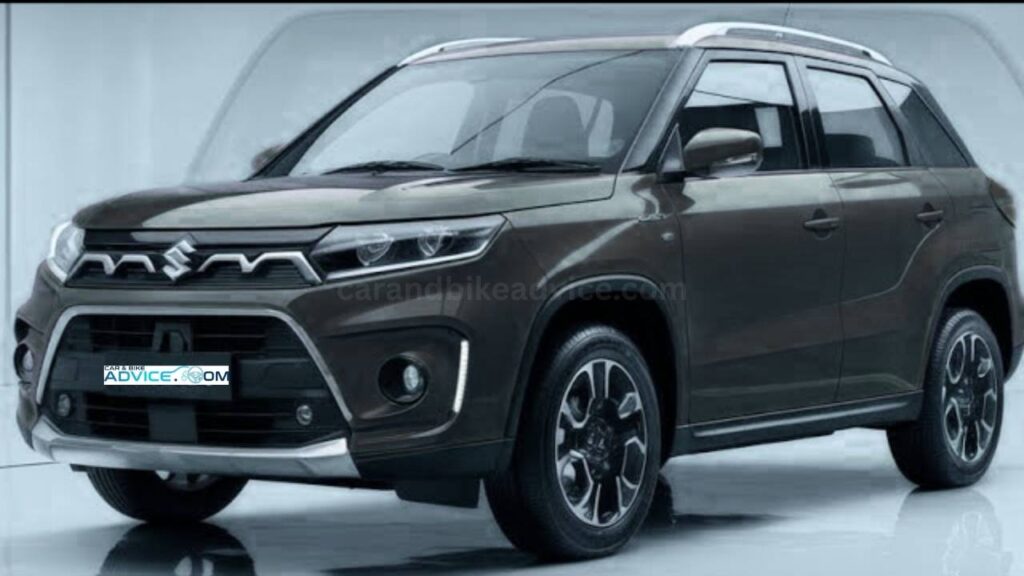
Along with the existing 1.5-litre petrol and S-CNG variants, the facelift will also debut an underbody-mounted CNG tank to maximize boot space. Inside, buyers can expect a larger 10.1-inch touchscreen, ventilated front seats, a power-adjustable driver’s seat, wireless connectivity and a 360-degree camera while the exterior gets a sharper grille, revised bumpers and new alloy wheels. The new Brezza aims to raise the benchmark in the compact SUV segment like Tata Nexon, Hyundai Venue, Kia Sonet, & Mahindra XUV 3XO Facelift.
Renault Boreal
Renault is preparing to enter the premium family SUV space with the all-new Boreal, a flagship model positioned above the upcoming Duster. Expected to arrive in late 2026 or early 2027, the SUV is based on the CMF-B platform and is likely to be offered in 6- and 7-seater layouts for India.
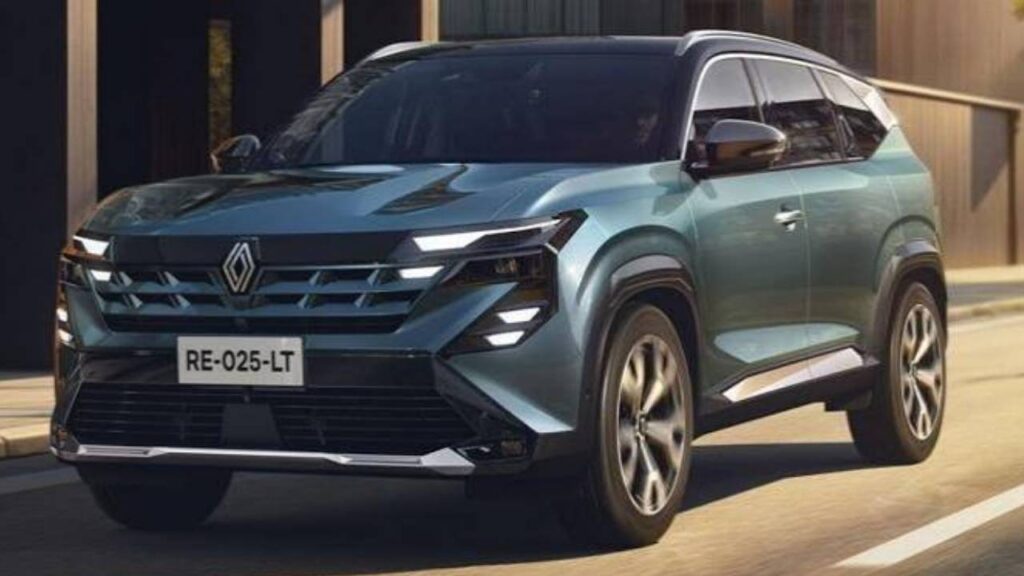
Power expected to come from a 1.3-litre turbo-petrol engine producing up to 163 hp and 270 Nm, paired with a 6-speed dual-clutch automatic transmission. Measuring 4,556 mm long with a 2,702 mm wheelbase, the Boreal promises generous cabin space, and a 586-litre boot.
Key highlights include dual 10-inch digital displays, Google-based infotainment, a panoramic sunroof, Harman Kardon audio, ventilated and powered front seats, Level 2 ADAS, a 360-degree camera, six airbags and multiple drive modes. This model likely to price between ₹13 to ₹23 lakh (ex-showroom), the Boreal will take on the Mahindra XUV7XO Spied Testing, Tata Safari, and Hyundai Alcazar.
Volkswagen Tayron (Non-R Line)
After introducing the range-topping Tayron R-Line, Volkswagen expected to widen the SUV’s appeal with a more practical and affordable Non-R Line variant. Unlike the performance-focused R-Line, this version is likely to emphasize comfort, luxury and everyday usability. And the Non-R Line model likely to feature a 1.5-litre eTSI turbo-petrol mild-hybrid engine that produces150 PS and 250 Nm, paired with a 7-speed DSG automatic transmission.
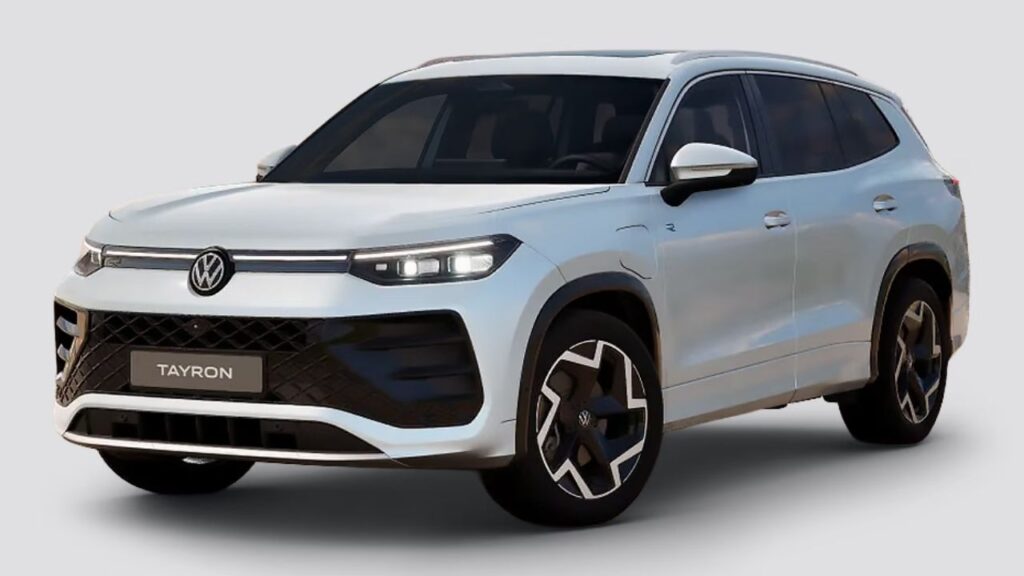
Buyers can expect premium highlights such as a 12.9-inch touchscreen, 10-inch Digital Cockpit, three-zone climate control, panoramic sunroof, powered front seats, Level 2 ADAS and a spacious seven-seat cabin. And if the model is launch in India, the Tayron Non-R Line expected to be priced between ₹39 to ₹45 lakh (ex-showroom) that offer a more accessible alternative to the flagship R-Line and other brands like Skoda Kodiaq, Toyota Fortuner, Jeep Meridian, etc.
Mahindra Scorpio-N Facelift
Well, the Mahindra is gearing up to give the Scorpio-N its first major facelift with the updated SUV expected to debut around August 2026. While retaining the proven 2.0-litre mStallion turbo-petrol engine producing 203 PS, paired with 6-speed manual and 6-speed automatic gearbox options, the focus shifts to technology and comfort.
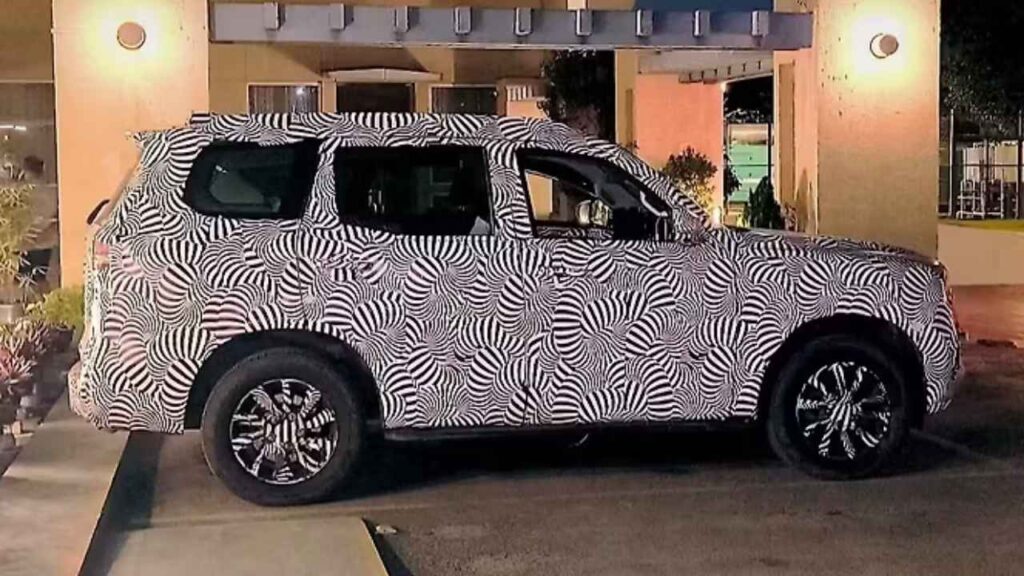
Not just that, you may see Mahindra Scorpio-N Facelift with highlights like a redesigned grille, new 18-inch alloy wheels, 10.25-inch dual digital displays, a panoramic sunroof, 360-degree camera, Level 2 ADAS and a more premium cabin. Prices expected to range between ₹13.8 lakh to ₹24.8 lakh (ex-showroom), helping the rugged SUV stay competitive against rivals like the Tata Safari and Hyundai Alcazar.
Hyundai Creta Next Generation
Hyundai is preparing its biggest-ever transformation for the Creta as all New Third Generation model expected to arrive between late 2026 and early 2027 with starting price of ₹11.5 lakh (ex-showroom). Riding on the advanced K3 platform, the SUV will adopt a larger, more rugged design inspired by the Palisade and Santa Fe, while offering a roomier cabin and premium features.
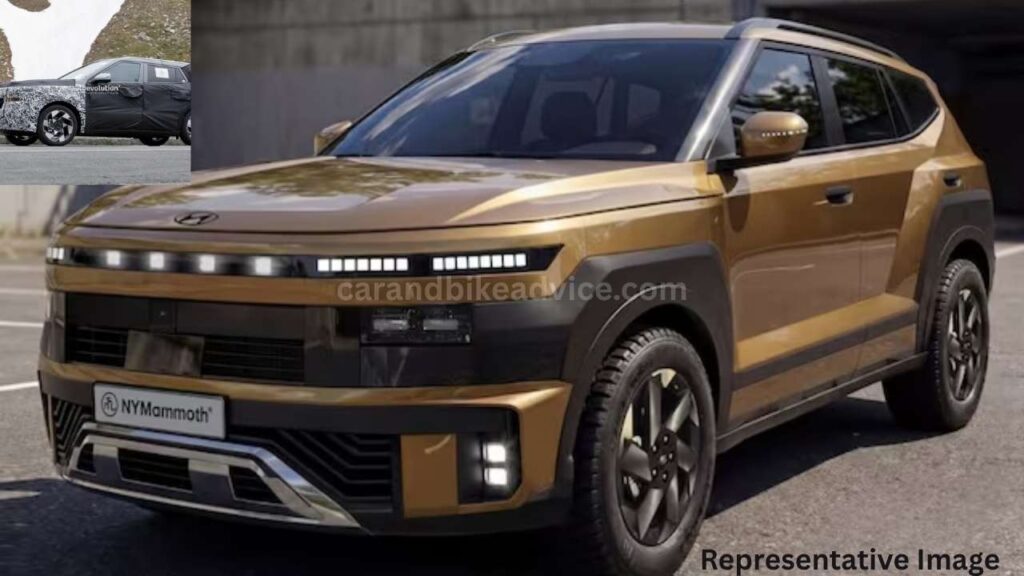
For driving enthusiasts, the Hyundai Creta Next Gen will retain the 1.5-litre TGDi turbo-petrol engine that generated 160 hp and 253 Nm, paired with a 7-speed DCT. This next-generation Creta also likely to introduce a strong-hybrid powertrain, dual 12.3-inch displays, panoramic sunroof, Level 2 ADAS, Bose audio system, and a 360-degree camera. This complete package make Creta to Rival with Kia Seltos, Tata Sierra, Volkswagen Taigun, and Skoda Kushaq.
Skoda Octavia Facelift
Skoda is all set to revive the Octavia in India with a comprehensive mid-life update, blending sharper styling with more technology and turbo-petrol performance. Expected to launch by late 2026, the premium sedan will continue with the 2.0-litre TSI turbo-petrol engine mated to a 7-speed DSG automatic transmission.
The facelift expected to feature redesigned Matrix LED headlights with 32 individual light elements, a wider grille, new 18-inch alloy wheels and a refined cabin with a 13-inch touchscreen, 10.25-inch Virtual Cockpit, ChatGPT integration, 15W wireless charging, 45W USB-C ports and an 11-speaker Canton audio system.
Buyers will also get powered Ergo seats with heating, ventilation and massage functions, a generous 600-litre boot, Level 2 ADAS and up to 10 airbags. Prices expected to range between ₹35 lakh to ₹40 lakh (ex-showroom), but performance-focused Octavia RS may be priced around ₹45 lakh to ₹50 lakh (ex-showroom). This packaging will compete with BYD Seal U, Hyundai Tucson, BMW 2 Series Gran Coupe, Skoda Kodiaq, and Mercedes-Benz A-Class Limousine.
India’s next chapter belongs to turbo-petrol cars. As manufacturers accelerate the shift away from diesel, upcoming launches are no longer just routine updates as they now represent a clear leap in performance, efficiency, refinement and technology. From budget-friendly SUVs to premium offerings, this new generation of turbo-petrol models set to raise the benchmark that make the coming months one of the biggest turning points for India’s passenger car market.